

Why Does Attic Insulation Matter in Fulton, NY?
Proper attic insulation serves as a barrier that helps regulate indoor temperature and manage energy costs throughout the year. In a climate like that of Fulton, consistent insulation is especially useful due to cold winters and warm summers.
Fulton experiences a wide range of temperatures and prevalent moisture from nearby water sources. Homeowners often face issues like ice dams in winter and overheated upper floors in summer. Quality insulation controls heat flow and helps reduce the strain on heating and cooling systems.
How Does Insulation Affect Home Comfort and Energy Bills?
Attic insulation keeps warm air inside during winter and blocks excess summer heat from entering living spaces. This means residents spend less on heating and cooling while maintaining more consistent indoor comfort.
In a typical Fulton home, ineffective or patchy attic insulation can lead to:
- Cold drafts and uneven temperatures between floors
- High winter heating bills or excessive summer cooling costs
- Strain on older HVAC systems leading to frequent repairs
Upgrading or improving attic insulation often results in noticeably more stable room temperatures and reduced household energy expenses.
What Problems Can Result from Poor Attic Insulation?
Poor or missing insulation can cause several issues beyond just higher bills. One common local problem is the formation of ice dams — thick ridges of ice that form at the edge of the roof due to uneven roof surface temps.
These can result in:
- Water leaking into the attic or walls
- Damage to roof shingles and gutters
- Mold growth in ceilings or behind walls
Additionally, poor insulation can lead to elevated humidity levels during the rainy season, encouraging mold and mildew growth throughout the attic or upper floors.
How to Recognize if Attic Insulation Needs Attention
There are a few practical signs that often indicate inadequate attic insulation in area homes:
- Persistent cold spots or rooms that are always warmer/cooler than others
- Icicles and ice dams forming in winter
- Noticeable drafts from ceiling fixtures or attic access points
- Rising energy bills that can’t be explained by rate increases or major temperature swings
A quick visual inspection in the attic can tell a lot. If insulation appears compressed, patchy, wet, or thin — or if ceiling joists are clearly visible — it may not provide sufficient coverage.
Which Types of Insulation Work Best for Local Conditions?
Fulton homes most commonly use:
- Blown-in cellulose or fiberglass: Good for filling irregular spaces and adding layers on top of old insulation
- Batt insulation: Standard for attics with wide-open joist spaces
- Spray foam: Valuable for sealing small gaps or tricky corners, though rarely used for the entire attic
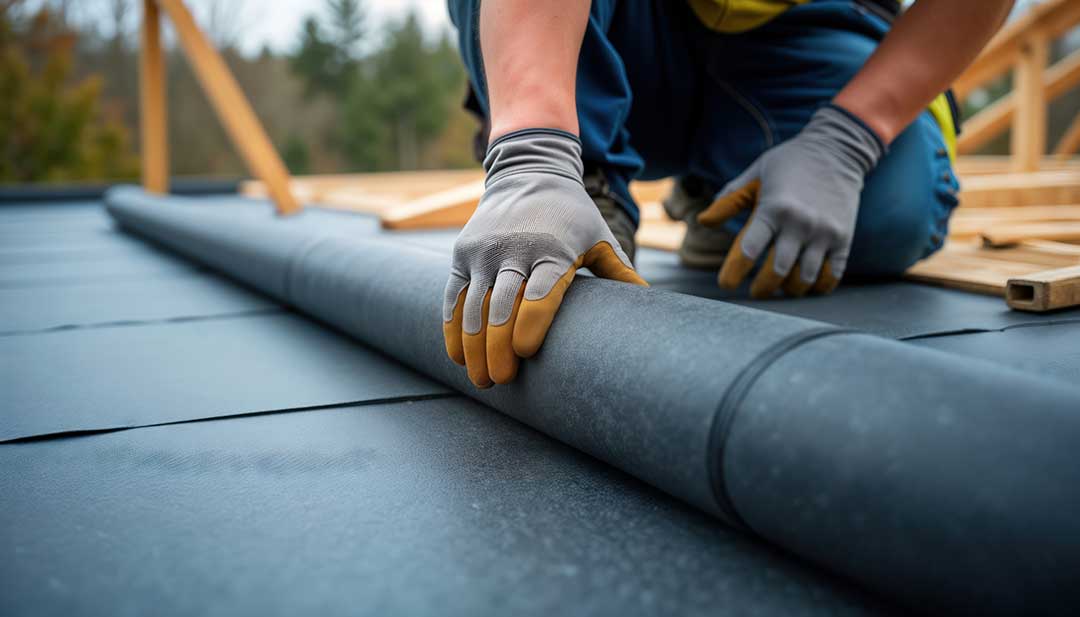
The key is ensuring an even layer, without gaps or compressed areas, and achieving the recommended R-value for this region (typically R-49 or higher for attics). This helps homes withstand the local winter chill and keeps houses cooler during summer spells.
What Are Common Insulation Mistakes to Avoid?
Attic insulation that’s piled too high against roof decking or blocks soffit vents can trap moisture and reduce ventilation. This is a common mistake in the area and can lead to condensation and mold.
Other frequent issues include:
- Ignoring air leaks from light fixtures, attic hatches, and plumbing vents
- Not using vapor barriers where required, risking moisture intrusion
- Mixing incompatible types of insulation that settle or separate over time
Local standards sometimes require minimum clearances around electrical fixtures for fire safety; always check codes before modifying attic insulation.
How Does Attic Insulation Help the Roof’s Longevity?
When insulation is done right, it helps maintain uniform roof surface temperatures. This reduces the risk of freeze/thaw cycles that can warp, crack, or age roofing materials prematurely.
Proper insulation paired with sufficient attic ventilation lets moisture escape and flushes out excess heat, indirectly protecting roof shingles, decking, and the structure beneath. Homes with consistent attic insulation typically experience fewer roof repairs and a longer service life for existing roofing systems.
Are There Ways for Local Residents to Assess Their Insulation?
Homeowners can do a basic check themselves. On cold days, look at the roof for uneven melting snow patterns; visible bare patches may indicate poor insulation or hidden leaks of heat.
Another strategy is to check attic access after a cold snap for signs of frost or dampness, as these reveal insulation or ventilation shortcomings. For more thorough assessments, thermal cameras or home energy audits can pinpoint missed areas or weak points.
What Does “Proper” Really Mean for Attic Insulation Here?
The right approach means using the correct amount and type of insulation, installed without obstructing ventilation or covering up signs of water leaks or pest problems.
For most area households, a combination of modern insulation at the recommended R-value, sealed air gaps, and clear vent pathways gives the best results in terms of comfort, efficiency, and roof protection.
