

How Do Asphalt Shingles and Metal Roofing Differ for Homes in Fulton, NY?
Asphalt shingles and metal roofing are among the most popular roofing choices for residential properties in Fulton, NY. Each material has its own strengths and considerations, especially given the region’s climate, budget factors, and architectural styles. Understanding the specific differences helps area households decide what may best suit their needs.
What Should Fulton Property Owners Know About Durability and Longevity?
Both asphalt shingles and metal roofing can be reliable, but they age differently in Fulton’s four-season climate.
Metal roofing often lasts longer, typically 40–70 years depending on the style and installation. It resists rot, insect damage, and chemical degradation. Frequent freeze-thaw cycles, common in the city’s winters, do little to metal materials.
Asphalt shingles generally last 15–30 years, though “architectural” styles can push the upper end of that range. Extreme temperatures and quick thaws in early spring can sometimes cause shingles to wear or crack faster, especially if ventilation or attic insulation is lacking.
Which Roofing Option Is More Budget-Friendly in Fulton?
Initial installation costs play a significant role for many in the community. Asphalt shingles remain the most affordable up-front option and are easier to install, which can further lower labor expenses.
Metal roofing typically costs more to install because materials and labor are pricier. However, its longevity means fewer replacements over several decades, which can balance expenses in the long term. Households planning to move within 10–15 years might not see the full financial benefit of the metal option.
How Do Local Weather and Seasonal Changes Affect Each Roofing Type?
Fulton’s annual weather brings heavy snow, periodic ice, strong winds off the river, and humid summers. Asphalt shingles perform well when properly installed and maintained, but can sometimes lose granules or shingles during windstorms. Ice dams in winter may cause leaks if gutters or ventilation are inadequate.
Metal roofs easily shed snow because of their smooth surfaces, reducing ice dam risks. Their interlocking panels also handle wind well. Some local residents notice louder rain or hail on metal roofs, especially if attic insulation is minimal, but underlayment improvements can reduce noise.
Which Roofing Material Suits Local Architectural Styles and Appearance Preferences?
Most homes in Fulton have gabled or hip roofs, and asphalt shingles have traditionally fit in well, especially with architectural shingles offering depth and color variety. They mimic the look of slate, wood shake, or even tile at a much lower cost.
Metal roofing now comes in styles resembling shingles, shakes, or standing seam panels in various colors. For those renovating older homes or seeking a modern update, metal can complement both traditional and contemporary designs. Community norms and neighborhood associations may factor into some choices, although both materials are widely accepted.
How Do Maintenance Needs Compare?
Asphalt shingles require periodic checks for missing, curling, or cracked portions. Removing moss and debris is essential, and repairs can often be made on a single section if problems arise.
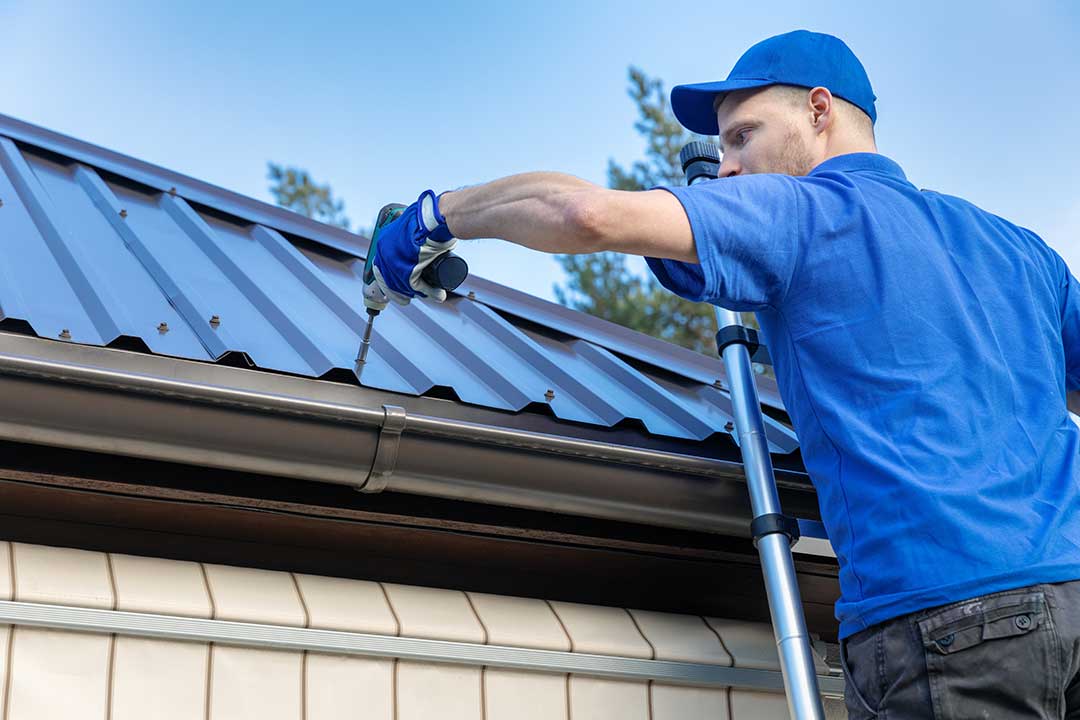
Metal roofing is mostly low-maintenance. Occasional inspections catch loose fasteners, minor rust spots, or issues where panels join. Most issues occur around flashings or penetrations, so these areas deserve extra attention during regular home checkups.
Are Asphalt Shingles or Metal Roofs Better for Energy Efficiency in the Area?
Energy performance depends on several factors, including attic insulation and roof color. Light-colored metal roofs reflect solar heat, helping homes stay cooler in mid-summer. In contrast, darker asphalt shingles can absorb more heat, which is beneficial in winter but may contribute to summer cooling needs.
Both systems can achieve good energy efficiency with appropriate underlayments and ventilation. Homeowners planning major upgrades sometimes pair roof replacements with attic insulation improvements to maximize comfort and control heating and cooling costs.
What Are Common Misconceptions for Local Households Considering These Roofs?
Some area residents believe metal roofs attract lightning; in reality, they do not increase strike risk and can safely help conduct electricity away if grounded. Another common concern is that metal roofs will always look “industrial” or out of place on older homes, but modern materials often blend into residential neighborhoods.
There’s also a perception that asphalt shingles are too fragile for local winters, but high-quality products and careful installation can withstand typical snow and cold. Regular maintenance is more crucial than the material itself for preventing leaks and damage.
Which Roof Type Handles Repairs and Replacements More Easily?
For spot repairs, asphalt shingles are more straightforward. Small areas can be patched or replaced without matching the entire roof, and materials are often available locally.
Metal roofing may require more specialized knowledge for repairs or panel replacement. Some styles allow for single-panel swaps, but color fading over decades may lead to visible mismatches.
How Do Building Codes and Regulations Affect Roofing Choices in the City?
Both asphalt shingle and metal roofs are approved for residential use under most local building regulations. Installations must meet specific guidelines related to fire rating, wind resistance, and snow load—critical factors due to the region’s seasonal extremes. Consulting the municipal building office for the most up-to-date requirements ensures compliance regardless of the chosen material.
