

How Does the Local Climate Affect Solar Panels and Roofs?
Fulton, NY experiences a mix of snowy winters, humid summers, and frequent seasonal temperature swings. These conditions play a role in how effective and durable solar panels will be on a residential roof. Solar technology works in cold weather, but heavy snow and ice can shade panels and add extra weight. Spring and fall often bring wind-driven rain, which can test mounting systems and roof seals for leaks.
Before considering solar, homeowners should weigh how each season affects both the energy yield and the physical state of the roof. For instance, panels can actually shed snow faster than traditional shingles, but installers need to ensure snow guards or measures are in place to prevent sudden snow slides onto walkways.
Is My Roof's Condition and Design Suitable for Solar Panels?
A newer, well-maintained roof is ideal for solar panel installation. Mounting panels on an aging or damaged roof may mean extra future costs if the roof needs replacing soon after the panels are installed.
Key considerations:
- Asphalt shingles are the most common roofing material in the community and generally work well as a base for solar systems.
- Older slate, cedar shake, or metal roofs may require special mounting hardware.
- The roof should have at least 10–15 years of remaining life before adding panels; otherwise, plan for replacement first.
- Steep or highly complex roof designs (multiple dormers, valleys, or chimneys) might reduce usable space and complicate installation.
Get an objective roof evaluation to identify potential repairs or upgrades prior to investing in panels.
Will Solar Panels Cause Damage or Leaks?
If installed correctly with proper flashing and seals, modern solar panels should not create leaks. Many residents worry about damage where rails or brackets are attached.
Installers typically use:
- Weatherproof hardware designed for local freeze-thaw cycles.
- Sealants compatible with the roof’s materials.
- Methods that minimize disturbance—ideally securing panels into roof rafters rather than just decking.
Panels may even protect the underlying roofing from UV rays, helping those areas last longer. However, incorrect installation can lead to leaks or premature wear, especially in older homes where materials have become brittle. Yearly visual inspections help ensure water tightness.
Do Solar Panels Require Regular Maintenance in This Area?
Solar panels themselves are generally low maintenance, but seasonal conditions in and around Fulton mean extra attention can be helpful:
- Snow and ice should be allowed to melt naturally—using metal tools can void warranties or damage panels.
- In late spring and fall, check for leaves and branches that could shade panels or collect around mounting points.
- Inspect for squirrel or bird activity, as critters nesting near panels may gradually cause wiring issues.
Many locals opt for a brief annual check each spring after the last major thaw. Removing debris and visually checking for damage is usually enough between professional electrical system assessments.
How Much Sunlight Is Enough for a Solar Investment Here?
The area receives enough annual sunshine to make residential solar a practical option, but the optimal roof is:
- South-facing (to capture the most midday sun)
- Relatively unshaded by mature trees, chimneys, or nearby structures
East- and west-facing roofs can still generate useful energy, though panel output will be lower, which can affect long-term savings. Trees common in local neighborhoods or older developments sometimes require pruning, but avoid unnecessary removal unless truly blocking much of the roof’s sunlight.
What Should I Know About Building Codes, Permits, and Utility Connections?
Residents planning solar projects need to consider several compliance factors:
- Building permits are often required for solar installations; requirements vary depending on the project’s scope and roofing materials.
- Electrical inspections ensure systems are safely integrated with the home’s existing wiring.
- Utility providers have specific rules for grid connection, net metering, and system shutdown for maintenance or emergency service.
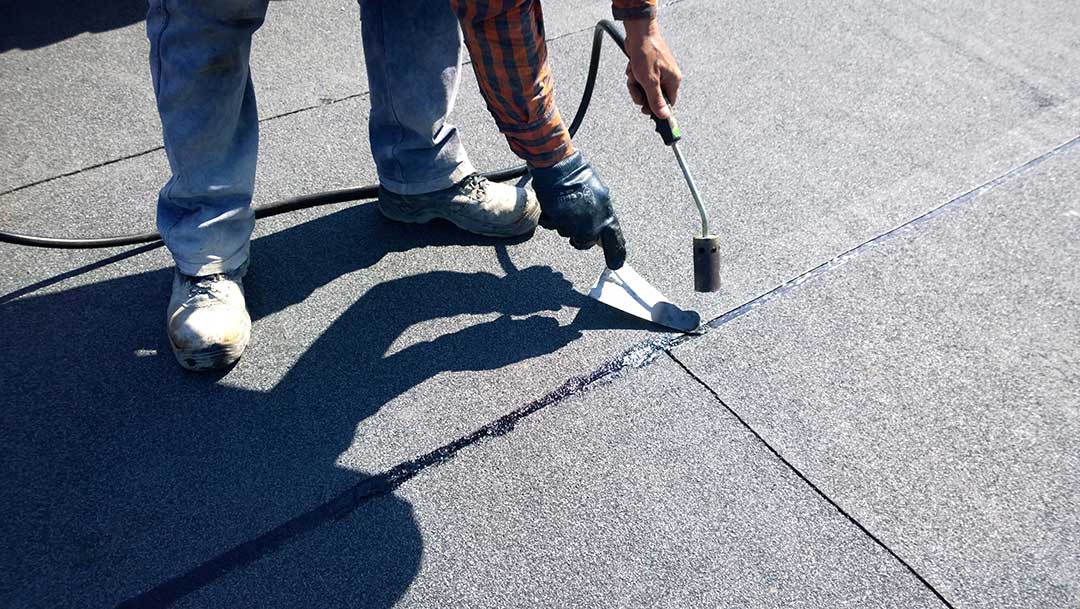
Delays sometimes occur if documentation or inspections reveal issues with the existing roof structure or older electrical systems. Planning for permit reviews and utility approval early can minimize project hold-ups.
Can Solar Panels Change the Look or Value of My Home?
Solar panels are visible, but technology has improved—slimmer panel profiles and lower-profile rails are more common today. On many homes, panels facing the backyard are less noticeable from the street.
About property value, research generally shows solar systems add resale value if the roof and system are well maintained. However, buyers may be wary if the roof is near the end of its lifespan or if they’ll inherit panel lease agreements with confusing terms.
Appearance and value impacts are most positive when:
- The installation blends with roof lines and maintains good curb appeal.
- The roof itself is in good shape and doesn’t require immediate repair.
Are There Misconceptions About Solar Panels in the Community?
Some common misunderstandings include:
- Belief that panels won't work in snowy regions. In reality, panels keep producing energy on cloudy days, and snow usually slides off or melts quickly.
- Expectation of zero maintenance. While durable, basic seasonal cleanups and checks are still smart.
- Worry that panels always void roof warranties. Confirm with panel and roofing manufacturers—reputable installers use techniques approved by shingle and underlayment brands.
What Are Practical First Steps Before Committing?
Gather recent roof documentation, including installation year, repairs, and warranty details. Photographs of the roof from various angles help with shade assessment.
A practical sequence is:
- Review the roof's remaining lifespan.
- Check for tree coverage and sunlight exposure over the year.
- Learn permit and inspection requirements for solar in the area.
- Compare the available roof space to typical system sizes (most homes require 250-400 square feet for a moderate solar array).
Making fully informed decisions helps residents maximize benefits and avoid future roof or system headaches.
