
What Are the Latest Materials Being Used for Roofs?
Modern roofing materials have evolved far beyond traditional asphalt shingles. Today, local homeowners are considering options that offer improved resistance to harsh weather, longer lifespan, and better energy performance.
Some of the materials gaining attention include:
- Architectural shingles: These laminated asphalt shingles have increased thickness and design variations, offering better wind and impact resistance compared to standard shingles.
- Metal roofing: Aluminum and steel panels provide high durability, excellent snow shedding (useful during harsh winters), and reflectivity to reduce summer attic heat.
- Composite panels: Made from recycled plastics and rubber, these materials are engineered for longevity, hail resistance, and visual appeal.
- Synthetic slate: Offers the appearance of natural slate but with less weight and more flexibility. It’s easier to install and can handle the freeze-thaw cycles seen locally.
Each of these options addresses common regional concerns like snow accumulation, ice dams, heavy rain, and temperature swings. Area households are increasingly asking about materials that combine resilience and low maintenance.
How Are Roofing Systems Becoming More Energy Efficient?
Energy efficiency is a major focus in recent roofing innovations, helping to reduce heating and cooling costs throughout the year.
New advancements include:
- Cool roofing technology: Specially designed shingles or coatings reflect more sunlight and absorb less heat, lowering attic temperatures during the summer.
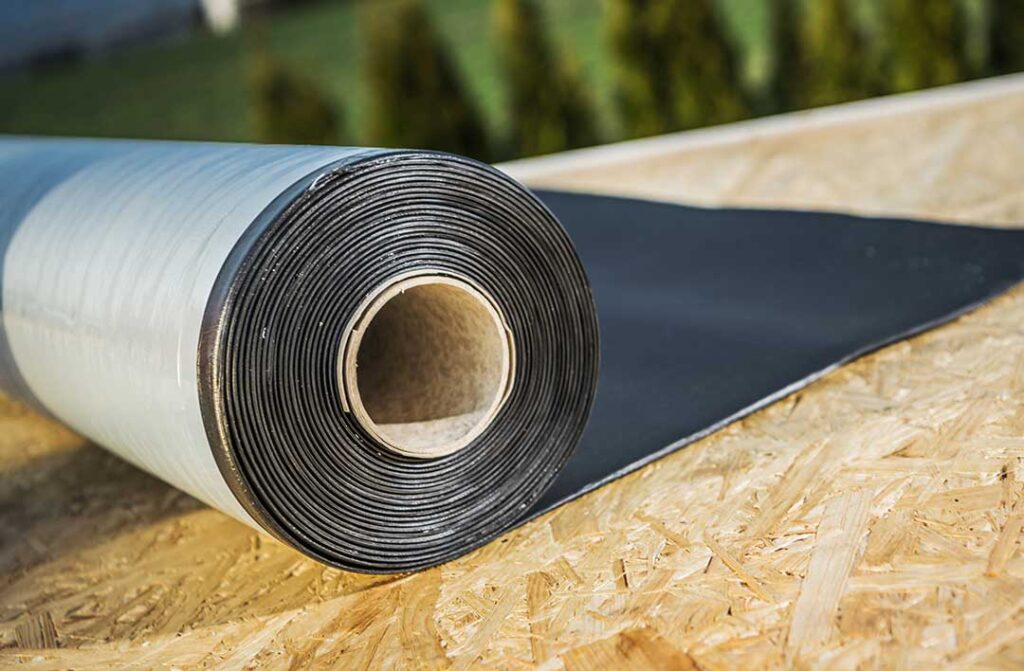
- Radiant barriers and reflective underlayments: Installed beneath roofing materials, these barriers further reduce heat transfer into the living space.
- Improved insulation integration: Modern roofing designs incorporate higher-grade insulation at the roof deck or attic level, helping homes stay warmer in the winter and cooler in the summer.
For local residents, these energy-saving measures can lead to noticeable utility bill reductions—an appealing feature during cold winters and muggy, humid summers.
Are There Smart Technologies in Roofing Now?
Recent years have seen the introduction of "smart" features that enhance a roof’s functionality, monitoring, and safety. These features are slowly making their way into residential neighborhoods.
Some examples are:
- Solar roofing systems: Solar panels can now be integrated directly into the roof structure, blending aesthetics with power generation and taking advantage of available sunlight even in changeable weather.
- Roof monitoring sensors: Embedded wireless sensors can track moisture, leaks, and even ice buildup, sending alerts to homeowners before damages become severe.
- Self-cleaning surfaces: Some roofing tiles and coatings are formulated to shed debris and prevent algae growth, minimizing maintenance concerns.
While not yet common on every home in the community, these features are beginning to appear on newer or renovated properties—especially for residents interested in long-term performance and technology integration.
What Local Climate Considerations Influence Roofing Technology Choices?
The climate in the area creates unique demands on roofing systems, directly shaping which technologies prove most beneficial for residents.
Key local challenges include:
- Heavy snow loads: Roof designs with reinforced trusses, metal snow guards, and slip-resistant surfaces help manage snow accumulation and reduce ice damming.
- Freeze-thaw cycles: Materials and underlayments are chosen for their flexibility and ability to prevent leaks caused by expanding ice or shifting shingles.
- High humidity and rainfall: Algae-resistant shingles, water-tight flashing systems, and enhanced gutter designs prevent excess moisture damage and shingle curling.
- Storm and wind effects: Impact-rated shingles and secure fasteners reduce the risk of blow-offs and water intrusion during severe weather.
Homeowners often underestimate how dramatically the local weather can affect roof performance and repair needs. Modern technologies specifically address these seasonal risks.
Are Eco-Friendly Roofing Options Available?
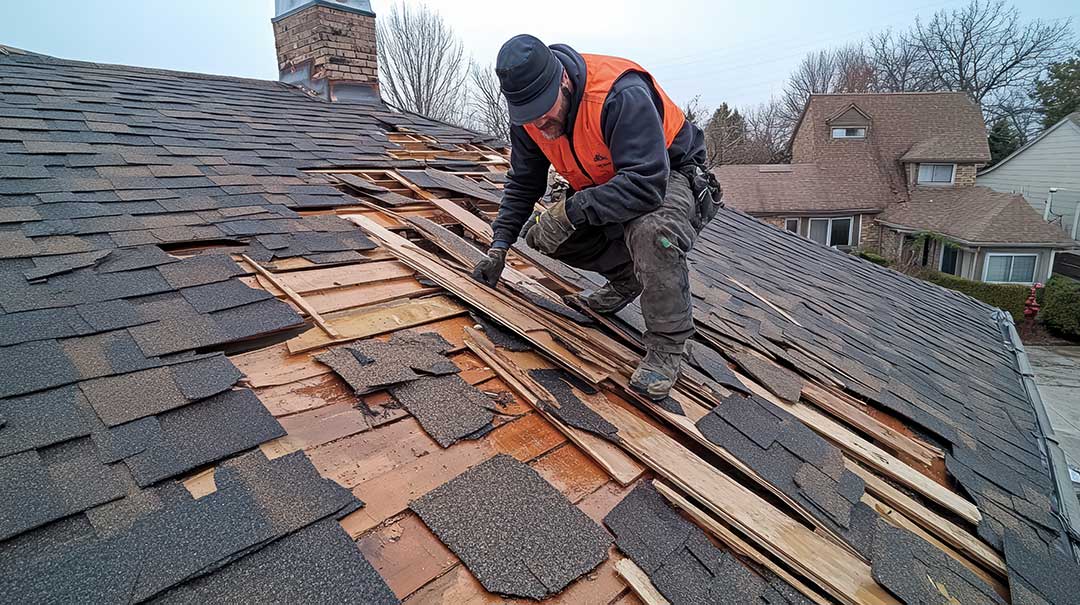
Yes, roofing is seeing a shift towards sustainable practices and materials. There are practical options for homeowners interested in reducing their environmental impact without sacrificing reliability.
Eco-conscious roofing advancements include:
- Recycled-content shingles: Shingles made from reclaimed or recycled plastics decrease landfill waste while providing robust storm protection.
- Green or “living” roofs: While less common for single-family homes, roofs partially covered in hardy vegetation improve stormwater management and insulate the home.
- Reflective, cool roofs: These roofs reduce energy consumption, helping area households lower emissions from home heating and cooling.
- Longer-life materials: Roofs that last 30-50 years reduce the frequency of tear-offs and replacement waste.
Sustainable roofing isn’t just a trend—it’s a practical move given the increased frequency of heavy storms and awareness of environmental issues in the community.
What Are Common Misconceptions About Modern Roofing Technology?
There are several areas where myths persist:
- All new roofs look the same. Today’s technologies actually enable far more customization of style, color, and even shape than traditional options.
- Advanced materials are too expensive. Upfront costs often balance out over time through fewer repairs, better energy performance, and longer warranties.
- Only large or new homes benefit. Innovations are available for nearly every roof type and can often be adapted during routine repairs or upgrades.
Area residents sometimes assume that adopting the latest practices is only for new constructions or luxury renovations. In reality, many advancements are accessible for standard repairs or when planned as part of regular roof replacements.
How Can Local Households Learn More or Prepare for an Upgrade?
For area residents looking to take advantage of roofing innovations, it helps to:
- Research material ratings for cold, ice, and wind resistance.
- Look for products with certifications for performance and environmental safety.
- Monitor roofing condition seasonally, especially after major weather events.
- Stay up to date with local building codes and energy efficiency rebates, which can inform upgrade decisions.
Whether planning for maintenance or a future installation, understanding the latest in roofing technologies helps ensure durable, energy-efficient, and future-ready homes.
