
Why is seasonal roof maintenance important in Fulton, NY?
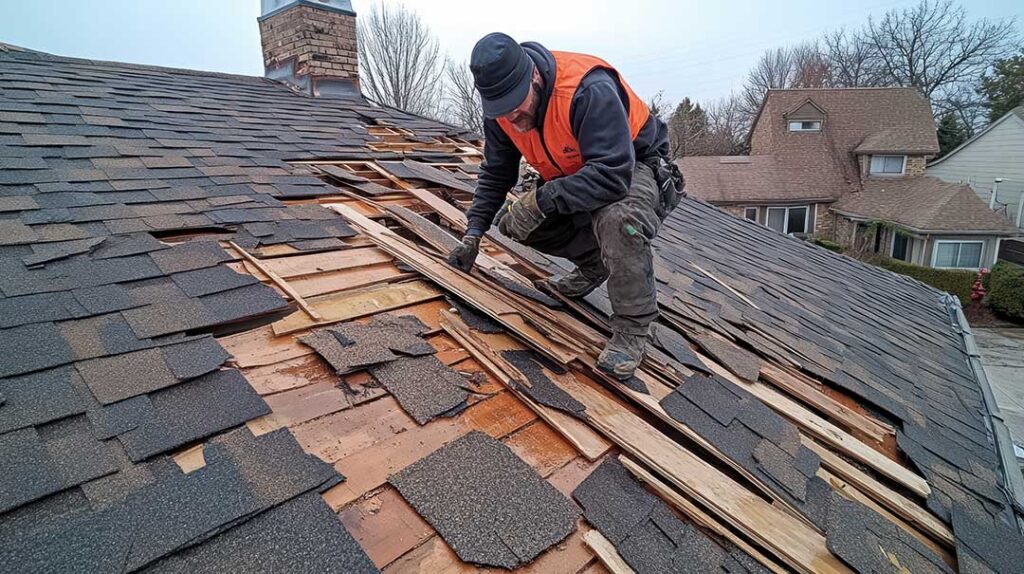
Seasonal maintenance helps area households protect their homes from leaks, structural damage, and costly repairs. Given the climate shifts in Fulton, regular upkeep addresses hazards from winter snow, spring rains, and autumn leaves—all common stressors for local roofs.
Roofs in this region endure freeze-thaw cycles, wet springs, humid summers, and significant leaf debris every fall. Overlooking small issues—like cracked shingles or clogged gutters—can lead to water penetration or ice dams, especially as weather shifts between extremes.
What should be checked after winter?
After winter, check for signs of snow and ice damage. Melting snow may expose issues not visible during colder months.
Look for these signs:
- Shingles that are cracked, missing, or loose from heavy snow loads
- Sagging gutters or loose fasteners caused by ice buildup
- Water stains or mold on attic ceilings, signaling poor ventilation or leaks
- Blocked vents at the roof edge (soffits) that could hinder airflow
Winter in Fulton often brings several inches of snow, and roofs bearing extra weight may experience stress, particularly near valleys and eaves. Start with a visual check from the ground, and only access the roof when it's fully dry, stable, and cleared of lingering ice.
How does spring maintenance differ?
Spring brings heavy rain and wind that can reveal or worsen hidden roof vulnerabilities. This is the season to focus on water management and shingle integrity.
Key spring checks include:
- Clearing gutters and downspouts of pine needles, twigs, and winter debris to prevent overflow
- Inspecting for missing or worn-out shingle granules (look in gutter deposits)
- Checking flashing around chimneys, skylights, and vent pipes for cracks or gaps
- Examining soffits and fascia for rot or paint peeling, which often signals trapped moisture
Local homeowners should also inspect for moss or algae growth on shaded sections. Fulton’s humidity and frequent rain encourage organic buildup, which can compromise shingle life if left unchecked.
What are common summer roof maintenance tasks?
Summer is a good time for more thorough inspections since conditions are generally dry and access is safer. The priority is catching sun-related wear and preparing for autumn storms.
Recommended summer actions:
- Scan for loose or popped nails that heat cycles may force up
- Look for signs of blistering or curling shingles from solar exposure
- Trim tree branches away from the roofline to prevent storm damage
- Check roof vents for animal nests or blockage
If asphalt shingles appear warped, they may be nearing the end of their lifespan or suffering from insufficient attic ventilation during Fulton’s warm summer stretches.
How do you get ready for autumn?
Early fall is the ideal season for preventive maintenance before freezing weather and increased leaf fall. Ignoring this step increases the risk of clogged drainage and water pooling.
Autumn tips for local residents:
- Clean all gutters and roof valleys after the first major leaf drop
- Remove pine needles, acorns, or seedpods that can trap moisture
- Test attic air flow to reduce condensation as temperatures drop
- Inspect for bird or rodent damage at roof edges
In neighborhoods with mature trees, repeated leaf buildup is a major cause of winter ice dams. Proper clearing now helps keep winter meltwater moving safely off the roof.
Which roof details are often overlooked?
Focusing only on visible shingles misses issues that start unseen. Attic spaces, small openings, architectural details around dormers, and hidden valleys often develop problems first.
Some overlooked details:
- Flashing buried under layers of shingles that may be loose or rusted
- Hidden roof valleys where debris collects and water flow is restricted
- Rubber seals (boots) around exhaust pipes, which can crack over time
- Fastener points at solar panel mounts or satellite brackets, which can loosen
Routine attic checks can reveal leaks or poor ventilation before symptoms reach the ceiling below. Pay special attention after major storms or if you notice higher-than-normal heating or cooling bills, which may indicate hidden roof problems.
What weather hazards are unique to this region?
Fulton’s roof challenges are shaped by its variable weather. Heavy, wet snow in late winter puts strain on sheathing and fasteners, while spring thaw can cause leaks if ice dams formed along the eaves. Winds in transitional seasons can lift loose shingles or drive rain under flashings. Summer humidity encourages moss, and fall leaf piles increase water retention and frost risk.
Preparing a home for local conditions means anticipating these issues, not just reacting to leaks or drafts after they occur.
What safety concerns should residents keep in mind?
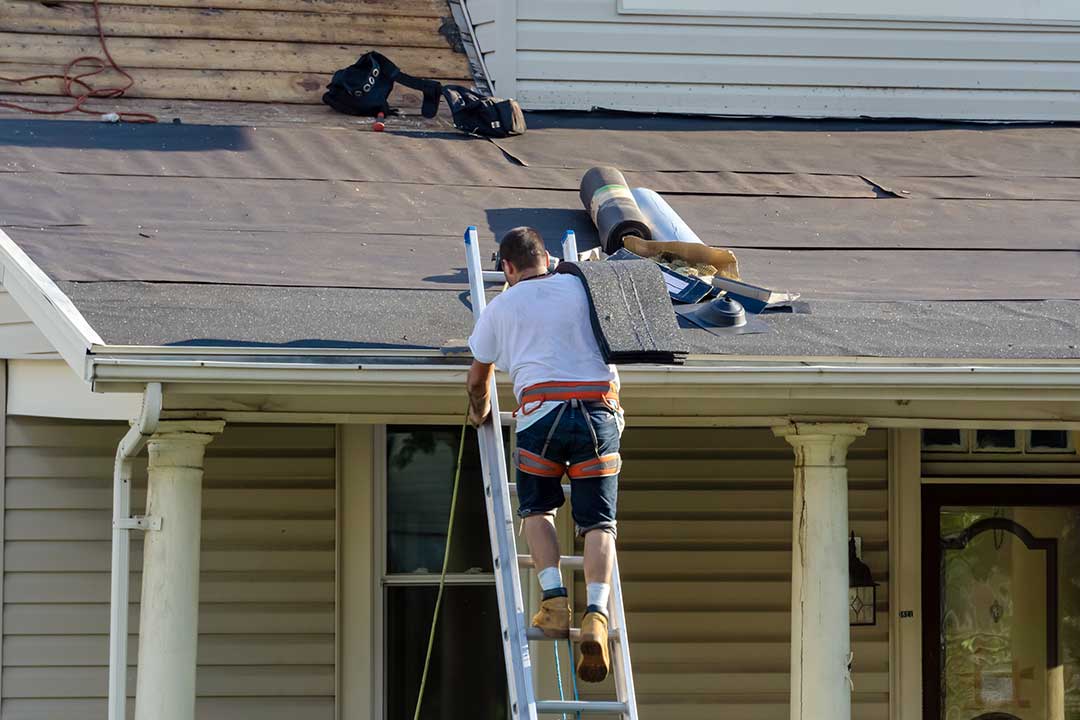
Roof maintenance sometimes requires work at heights, which carries risks. Ladders should always be stable and placed on solid ground. After storms or during winter, roof surfaces may remain slippery longer than expected. Any electrical lines near roof edges create additional hazards.
For most basic tasks—like gutter cleaning or visual checks—a long-handled tool and binoculars can reduce the need to climb. Only access the roof surface if you feel confident and have proper safety equipment; otherwise, consider asking a knowledgeable friend or relative for assistance.
