
How Many Years Does a Roof Typically Last?
Most roofs in Fulton, NY last anywhere between 15 and 50 years, depending on materials, installation quality, and local conditions. For area homeowners, the actual lifespan of a roof can be shaped by the city's cold winters, snow loads, and seasonal temperature swings. While some might assume all roofs share a similar lifespan, local weather and roof type make a significant difference.
What Factors Influence Roof Longevity in This Area?
The lifespan of a roof in the city is shaped by several factors:
- Material Type: Asphalt shingles are the most common residential roofing material, usually lasting 15–30 years. Metal roofs often last 40–70 years. Slate and clay tiles can endure over 50 years but are less common for local single-family homes due to cost and weight.
- Weather Exposure: Winter snow and ice increase stress on roofing. Repeated freeze-thaw cycles can shorten shingle life through cracking or shedding granules. Strong winds during storms may loosen roofing components.
- Ventilation and Insulation: Attic spaces that are well-ventilated and properly insulated help maintain a balanced roof temperature, reducing the risk of ice dams and premature aging.
- Roof Pitch: Steeper roofs typically last longer because they shed water and snow more efficiently. Flatter roofs, which are sometimes found on garages or porches, may experience water pooling and shorter service lives.
- Installation Quality: Even the best roofing materials can fail early if installation is inconsistent or corners are cut.
How Do Different Roofing Materials Compare?
Each roofing material comes with its own expected lifespan and considerations for local residents:
- Asphalt Shingles: Most homes use these due to affordability. Standard three-tab asphalt lasts about 15–20 years; architectural-style shingles, which are thicker, may reach 25–30 years.
- Metal Roofing: Standing seam and other metal roof types rarely need replacing before 40–70 years. Metal sheds snow easily and stands up to harsh winds but may be noisy in rain or hail.
- Wood Shakes or Shingles: Natural wood can last 20–30 years but requires ongoing maintenance and doesn't perform as well in consistently damp or snowy environments.
- Slate and Clay Tiles: While these can last 50–100 years, their heavy weight and higher upfront cost mean they're rarely found on typical homes in the area.
- Synthetic Materials: Some newer composite shingles offer 30–50 years, combining the look of traditional materials with added resilience.
How Do Local Weather and Maintenance Affect Roofing Lifespans?
Roofs in Fulton experience more freeze-thaw cycles and heavy snow than many other places. Persistent snow accumulation can add thousands of extra pounds to a typical residential roof, accelerating wear. Ice dams—ridges of ice forming at the roof’s edge—can lift shingles and lead to leaks if attic insulation or ventilation are lacking.
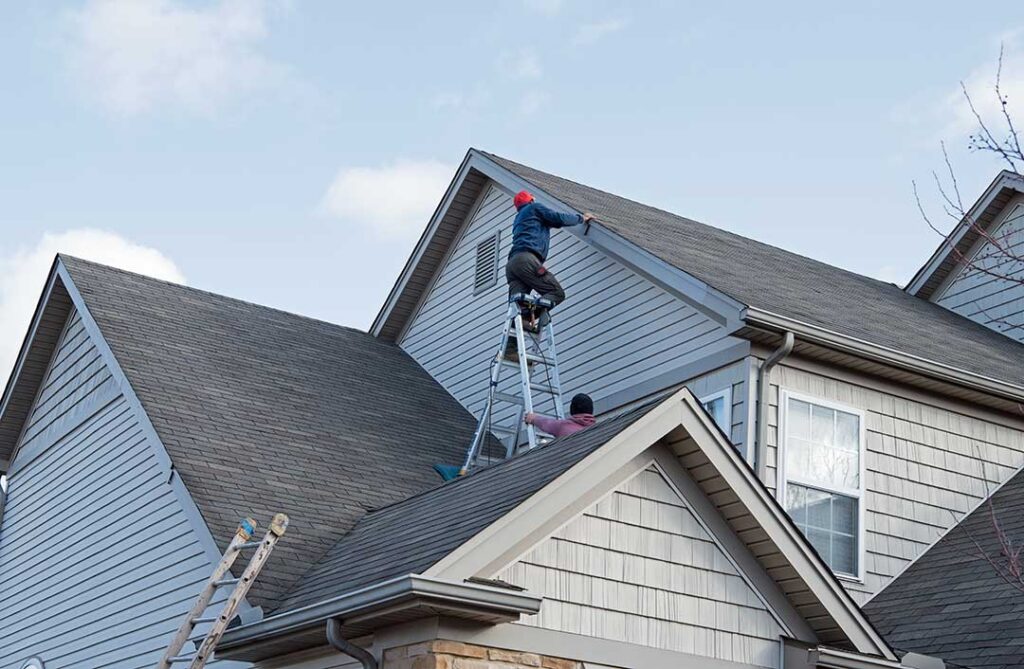
Roofs in the community that are regularly cleared of debris, checked for minor issues after storms, and cleared of excessive snow tend to last longer. Preventive care, like sealing flashing or replacing damaged shingles before they become leaks, can add years to a roof's usable life.
How Can Residents Tell When a Roof Is Nearing the End of Its Life?
Knowing the warning signs can help area households plan ahead. Typical indicators that a roof may be nearing replacement age include:
- Widespread curling or missing shingles
- Frequent or unresolved leaks inside
- Excessive granule loss—look for black or bald patches on shingles, or granules in your gutters
- Noticeable sagging in sections of the roof, signaling water intrusion or weakened supports
- Light showing through the roof boards from inside the attic
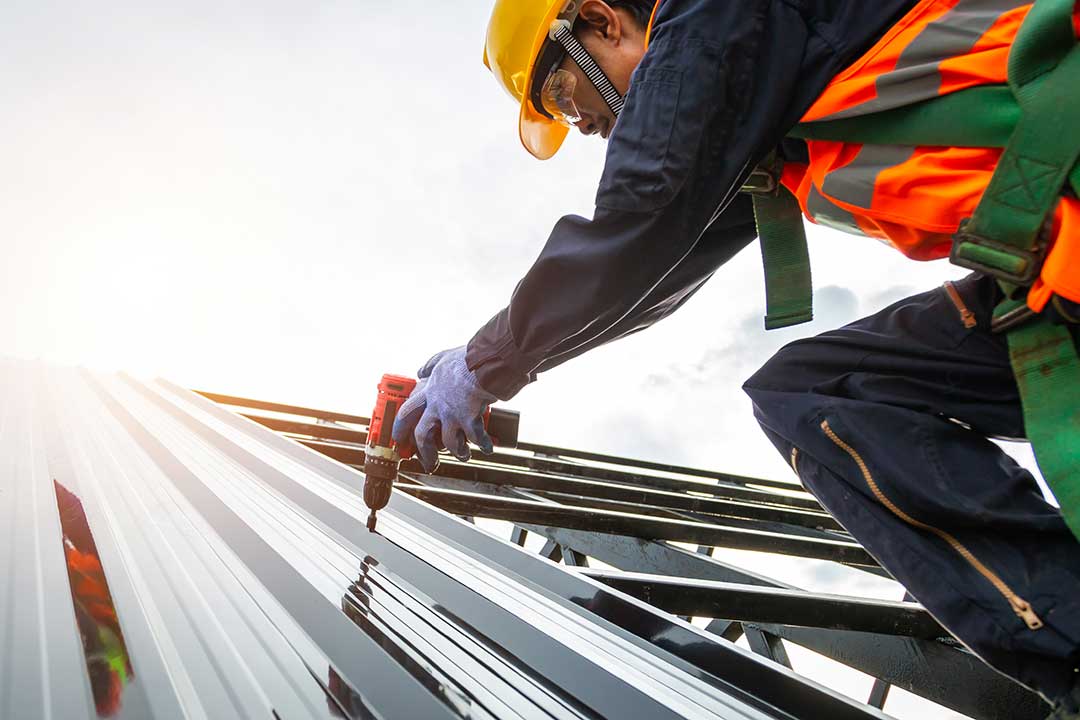
If a roof is past its expected age and shows several of these signs, replacement is likely more cost-effective than repeated repairs.
Can Maintenance Extend a Roof’s Life?
Routine maintenance can help maximize the lifespan of any roof in the area. This includes:
- Clearing branches, leaves, and moss from the roof surface to prevent moisture buildup.
- Keeping gutters clear so melting snow and rainwater can drain away.
- Inspecting for exposed nails, missing flashing, or cracked sealant.
- Addressing small problems—like a slipped shingle—before water finds a way inside.
While regular care adds to a roof’s durability, there are limits. Worn-out materials, especially after decades in the city’s climate, will eventually require full replacement to protect the structure underneath.
Common Misconceptions About Roof Longevity
Residents sometimes expect a new roof to "last forever," or believe that all warranties guarantee 30+ years of trouble-free use. In reality, standard manufacturer warranties often cover only material defects and do not account for severe weather, installation errors, or lapses in maintenance.
Another common misconception is that new roofs are entirely maintenance-free. Even durable roofs need regular attention to stay watertight, especially in areas with heavy snowfall and changing seasons.
Practical Examples From Local Homes
A typical asphalt shingle roof installed in the early 2000s is likely approaching the end of its reliable service if maintained regularly. Homeowners who have added insulation or improved attic ventilation sometimes see their roofs last 5–10 years longer than similar homes with poor venting. Garages and unheated outbuildings with less insulation often experience roofing wear more quickly due to greater temperature swings below the surface.
Fresh installations of metal or synthetic-composite roofs, though initially more expensive, have become more popular with some area households seeking a roof that may last twice as long as standard shingles.
FAQs: What Residents Often Ask
Does insurance cover an aging or worn-out roof?
Policies generally only cover sudden or accidental damage, not age-related wear.
Is it better to patch or replace an old roof?
Patching is effective for isolated issues; widespread wear, curling, or chronic leaks usually signal that full replacement is more practical in the long run.
How should snow be handled in winter?
After heavy storms, it’s wise to remove large amounts of snow from the roof with a roof rake (used from the ground) to reduce weight and ice buildup. Avoid climbing onto icy roofs, which is hazardous.
