
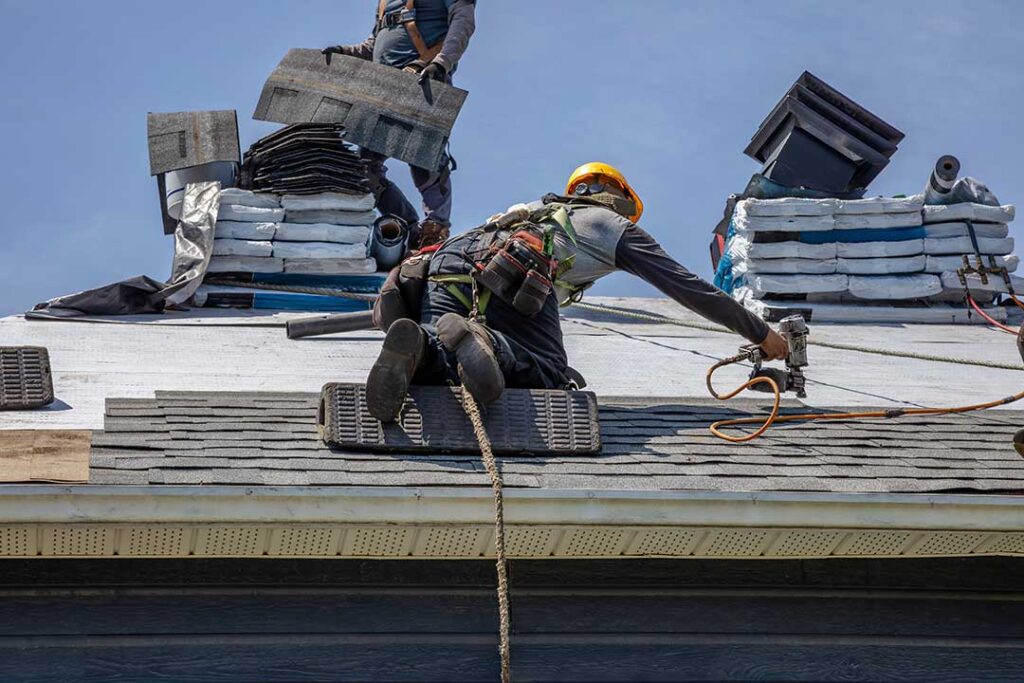
Roof decking is the structural surface beneath a roof’s shingles or other exterior covering. It spans the roof framing, supports the underlayment, and helps distribute the weight of snow, roofing materials, and maintenance activity across the structure.
For homeowners in Fulton, NY, understanding this hidden layer can make roof problems easier to recognize. Roof decking is not visible from the street, yet its condition affects roof strength, leak resistance, insulation performance, and the expected life of the entire roofing system.
What is roof decking?
Roof decking, also called roof sheathing, is the layer attached directly to the roof rafters or trusses. It creates a continuous surface on which underlayment and shingles can be installed.
Most residential roofs use one of two general decking materials:
- Plywood: Made from thin layers of wood glued together, plywood is relatively strong and handles normal roofing loads well when properly installed.
- Oriented strand board: Often called OSB, this material is formed from compressed wood strands. It is widely used in modern construction and can perform well when kept properly protected from moisture.
Older homes may contain solid wood boards rather than large sheet panels. These boards may vary in width, spacing, and condition. A roof with plank decking can often be reroofed successfully, but the installation method may need to account for gaps or deteriorated boards.
Why does roof decking matter?
The decking supports more than the roof covering. It contributes to the roof’s structural stability and provides the base needed for shingles or other materials to lie flat.
Damaged decking can lead to:
- Soft or sagging areas on the roof
- Uneven shingle surfaces
- Nail pull-through or poor fastener holding
- Water intrusion around deteriorated sections
- Interior ceiling stains
- Reduced resistance to snow and wind loads
A roof can appear acceptable from the ground while sections of its decking are weakened underneath. This is one reason roof condition cannot always be judged by looking only at missing shingles or visible surface wear.
What damages roof decking?
Moisture is the most common cause of roof-deck deterioration. Water may enter through aging shingles, failed flashing, poorly sealed roof penetrations, damaged vents, or ice-related backup along the eaves.
In Fulton, repeated cycles of freezing and thawing can make small roof defects more troublesome. Water that enters a roof assembly may freeze, expand, and reopen gaps. Snow accumulation can also keep moisture against the roof for longer periods, particularly where drainage is limited or ventilation is inadequate.
Other causes of damage include:
- Long-term plumbing or heating leaks
- Condensation in poorly ventilated attic spaces
- Excessive humidity
- Broken or missing flashing
- Tree limbs or other impact
- Improperly installed roof penetrations
- Structural movement or settlement
Not every dark mark on wood means the decking has failed. Surface discoloration may be old staining, while soft, crumbly, delaminated, or visibly warped wood is more concerning.
How can a homeowner recognize possible decking problems?
Some warning signs can be observed from inside the attic or living area, although a full evaluation may require roof access.
Look for:
- Wood that feels soft when safely touched
- Sagging between rafters or trusses
- Dark water stains or active dripping
- Musty odors
- Mold-like growth caused by persistent dampness
- Daylight visible through roof boards
- Shingles that appear wavy or uneven from outside
- Nails that are protruding or pulling through
- Repeated leaks in the same area
Caution is necessary in attics. Stepping between framing members can result in falling through the ceiling below. Insulation may hide damaged decking, and nails may extend through the underside of the roof. A visual inspection from a safe location is preferable to walking across questionable surfaces.
Does a roof always need new decking during replacement?
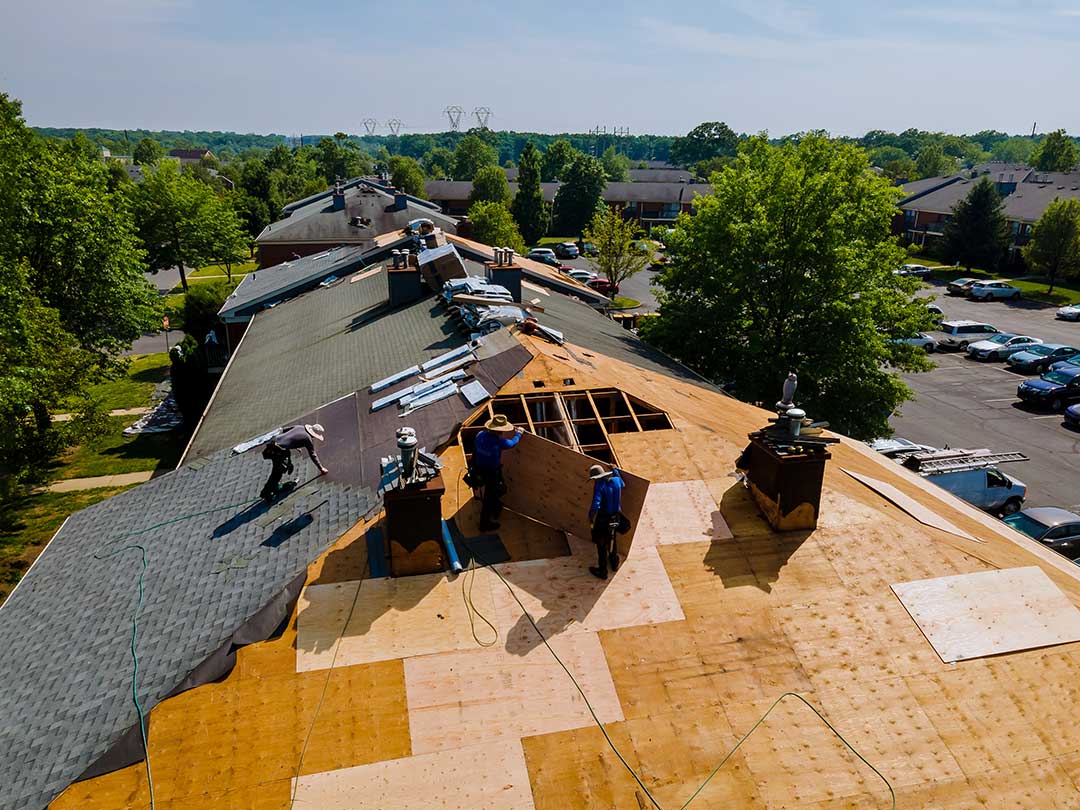
No. Roof decking does not automatically need replacement whenever shingles are replaced. If the existing material is dry, structurally sound, properly attached, and capable of holding roofing fasteners, it may remain in place.
Replacement becomes more likely when the decking is:
- Rotten or soft
- Delaminated
- Severely warped
- Structurally cracked
- Saturated from a long-term leak
- Too thin or damaged to hold fasteners securely
- Installed with unsuitable spacing for the planned roof covering
Decking condition is often confirmed after the old roof covering is removed. A roof surface can conceal damage that is not visible during a basic exterior inspection. This means the final amount of repair cannot always be determined from a ground-level assessment.
What happens when damaged decking is found?
Damaged sections are generally removed and replaced with compatible sheathing. The replacement material must be properly supported by the underlying rafters or trusses and fastened according to applicable building requirements.
The surrounding roof area should also be checked for the source of moisture. Replacing wet wood without correcting the leak only treats the symptom. Flashing, valleys, vents, chimneys, wall intersections, and roof edges deserve particular attention because these areas commonly concentrate water.
After repairs, the roof assembly normally includes underlayment and a finished roof covering. Proper installation helps limit future water exposure, but no roof system is completely maintenance-free.
How does attic ventilation affect the decking?
Ventilation helps manage heat and moisture in the attic, but it cannot compensate for an active roof leak. A balanced system typically allows air to enter near the lower roof edges and exit through higher portions of the roof, provided the insulation does not block the intended airflow path.
Poor ventilation can contribute to condensation on the underside of the decking. Over time, repeated dampness may encourage staining, fastener corrosion, mold growth, and wood deterioration. Excessive indoor humidity can worsen the problem, especially during cold weather.
Bathroom and kitchen exhaust should discharge outdoors through properly installed ducts rather than into the attic. Air sealing around ceiling penetrations can also reduce the amount of warm, moisture-laden indoor air entering the roof space.
Can snow cause roof-decking problems?
Snow alone does not usually damage sound decking, but heavy accumulation adds weight to the roof structure. The risk depends on the building’s design, the amount and moisture content of the snow, the roof span, the condition of the framing, and any preexisting deterioration.
Warning signs of unusual structural stress may include new ceiling cracks, doors that suddenly stick, visible roof sagging, or loud movement from the roof structure. Severe or rapidly changing conditions may create safety hazards, especially if combined with ice buildup or known structural damage.
Snow removal from a roof should not be attempted casually. Improper tools or walking on a steep, icy surface can damage shingles and create serious fall risks.
What maintenance helps protect roof decking?
The most useful protection is early attention to small leaks. Periodic visual checks can identify missing or damaged roof coverings, displaced flashing, clogged drainage paths, and sagging areas before moisture affects larger sections of decking.
Helpful practices include:
- Keep gutters and drainage paths clear of leaves and ice-related obstructions.
- Check attic spaces after major storms for staining or dampness.
- Watch for recurring ceiling marks, even if they dry out.
- Keep tree limbs from rubbing against the roof.
- Maintain bathroom and kitchen exhaust systems.
- Avoid puncturing the roof covering with unnecessary attachments.
- Address damaged flashing and roof penetrations promptly.
Roof decking is easy to overlook because it is usually hidden. Yet it is one of the main structural layers protecting a home from weather. Understanding its purpose helps residents distinguish ordinary surface aging from signs that moisture or structural damage may be affecting the roof beneath.
