
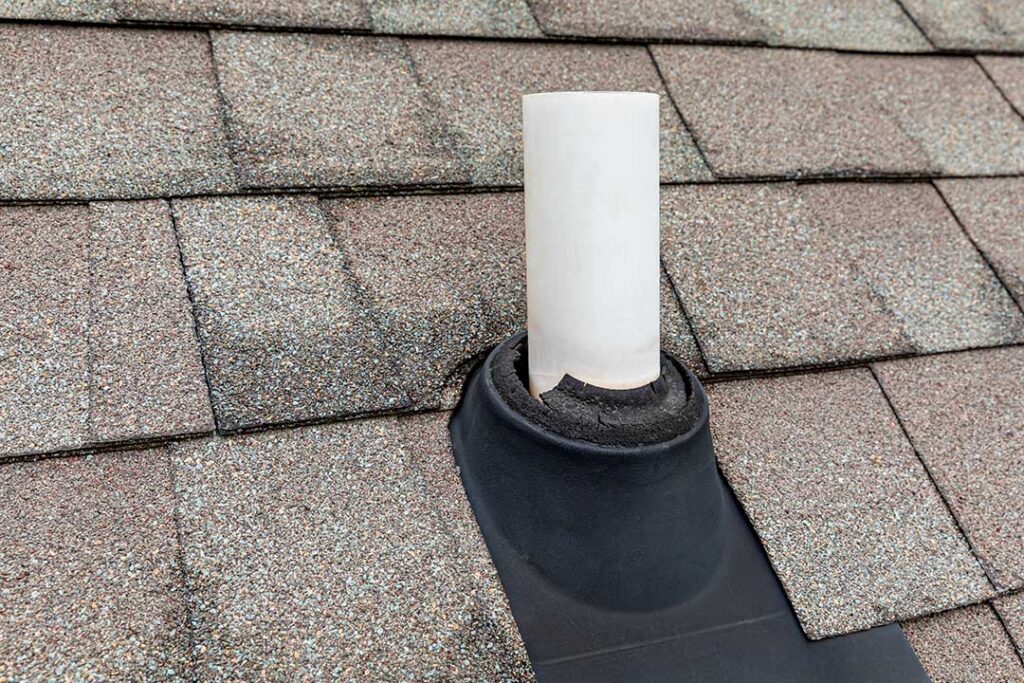
A roof inspection is usually most useful before a problem becomes visible inside the home. For households in Fulton, NY, the most practical schedule is generally once a year, preferably in late spring or early summer, with additional inspections after severe weather, major roof work, or signs of moisture.
The right timing depends on the roof’s age, material, condition, and exposure to snow, wind, ice, and falling branches. A calendar reminder helps, but the roof itself should determine whether an inspection is needed sooner.
How often should a roof be inspected?
Most residential roofs benefit from a detailed inspection every year or every two years, depending on age and condition. Annual inspections are especially sensible for roofs exposed to heavy winter weather, repeated freeze-thaw cycles, or nearby trees.
A more frequent schedule may be appropriate when:
- The roof is more than 15 years old.
- The home has experienced leaks or recurring ice buildup.
- Shingles are curling, cracking, loose, or missing.
- The attic has poor ventilation or signs of condensation.
- Large trees overhang the roof.
- The property has recently changed ownership.
- Roofing work, solar equipment, skylights, or other penetrations were recently added.
Newer roofs in good condition may not need a formal inspection every year, but they should still be checked from the ground and from the attic after significant weather.
Why is late spring often the best time?
Late spring is often the most useful inspection season because winter can reveal damage that was not visible in the fall. Snow, ice, wind, and repeated temperature changes can affect shingles, flashing, gutters, vents, and roof edges.
A spring inspection can identify:
- Shingles loosened by winter wind
- Cracked or displaced flashing around chimneys, vents, and roof transitions
- Damaged drip edges
- Gutter separation or sagging
- Blocked roof drainage
- Ice-dam-related damage
- Moisture stains in the attic
- Areas where snow or ice placed unusual stress on the roof
Inspecting after the coldest weather also allows enough time to address minor defects before summer storms and the next heating season. However, a late-spring inspection should not be treated as a substitute for checking the roof after a major storm.
Should a roof be inspected before winter?
Yes. A fall inspection can help identify conditions that may become more serious during snow and freezing weather. The ideal timing is before persistent snow and ice make portions of the roof difficult or unsafe to access.
Before winter, an inspection should pay particular attention to:
- Loose or missing shingles
- Cracks in sealant or flashing
- Weak roof edges
- Damaged gutters and downspouts
- Leaves or debris that interfere with drainage
- Attic insulation and ventilation concerns
- Evidence of previous leaks
- Areas where snow may accumulate unevenly
A roof does not need to be completely free of every cosmetic imperfection before winter. The priority is finding defects that could allow water entry, worsen under ice, or contribute to structural stress.
When is an inspection needed after a storm?
A roof should be checked after severe wind, hail, heavy snow, or a nearby fallen branch. Damage is not always obvious from the ground, and some problems may not produce an interior leak immediately.
After a storm, look for:
- Shingles or roofing pieces in the yard
- New dark patches or exposed underlayment
- Bent, detached, or displaced flashing
- Dents in metal vents or gutters
- Broken branches resting on the roof
- Water stains on ceilings or upper walls
- Damp insulation or musty attic odors
- Gutters filled with unusual amounts of roofing material
Do not climb onto a wet, icy, steep, or visibly damaged roof. Ground-level observations and an attic check are safer first steps. Roof damage near electrical equipment, unstable branches, or suspected structural problems requires extra caution.
What roof problems can be missed from the ground?
A ground-level check can identify missing shingles, sagging areas, and visible debris, but it cannot reliably show the condition of flashing, valleys, fasteners, ventilation openings, or underlayment.
Some early problems include:
- A small gap around a vent or chimney
- A lifted shingle that has not yet blown away
- Water trapped beneath roofing materials
- Nail pops under shingles
- Deteriorated sealant
- Moisture in attic insulation
- Inadequate ventilation causing condensation
- Early wood deterioration near roof penetrations
A roof may look acceptable from the yard while still allowing small amounts of water into concealed areas. Interior and attic observations are therefore useful parts of a complete inspection.
How does Fulton’s climate affect inspection timing?
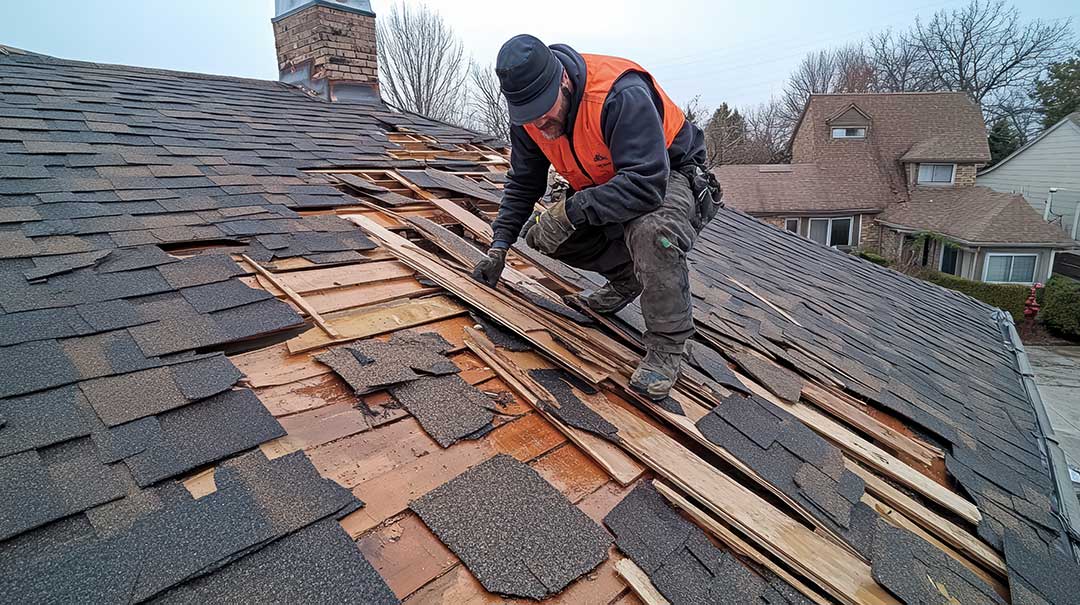
Local roofs must withstand cold winters, snow, wind, rain, and frequent changes between freezing and thawing conditions. These cycles can cause materials to expand, contract, stiffen, and loosen over time.
Snow and ice can also expose drainage weaknesses. If gutters or downspouts are blocked, melting water may back up near roof edges. In some homes, uneven snow accumulation can place more weight on one roof section than another, particularly around additions, valleys, dormers, or lower roof lines.
Summer weather brings a different set of concerns. Heavy rain can reveal drainage problems, while strong winds and falling branches can damage shingles and flashing. A spring inspection followed by a storm-related check provides useful coverage without requiring constant roof access.
Does a new roof still need inspections?
Yes, although the reason may be different. A newer roof should still be checked for storm damage, drainage problems, installation-related concerns, and conditions around vents or other penetrations.
A new roof may be inspected:
- After the first major winter
- After severe wind or hail
- When a leak appears
- If attic moisture or condensation develops
- When nearby construction changes drainage or roof exposure
- Before a property sale or insurance review
A newer roof generally has more remaining service life, but age alone does not prevent damage. Weather exposure, workmanship, ventilation, and surrounding trees can all affect performance.
What signs mean an inspection should happen soon?
Certain warning signs should not wait for the next seasonal check. A roof inspection is warranted when there is:
- A water stain on a ceiling or wall
- Dripping or dampness in the attic
- A sagging roof surface
- Repeatedly overflowing gutters
- Shingles collecting in gutters or on the ground
- Daylight visible through the roof deck
- Mold-like odors in the attic
- Peeling paint near upper walls or ceilings
- Sudden increases in indoor humidity
- A roof penetration that appears loose or damaged
A leak may travel along rafters or roof decking before appearing indoors, so the location of an interior stain does not always identify the source. Delaying an inspection can allow a small roof defect to affect insulation, wood framing, drywall, or electrical components.
What can homeowners safely check themselves?
Homeowners can perform simple observations without walking on the roof. From the ground, binoculars can help reveal missing shingles, uneven roof lines, damaged flashing, or excessive moss and debris.
Inside the home, check the attic after rain or thawing weather for:
- Damp insulation
- Darkened wood
- Water marks
- Condensation on nails or roof decking
- Musty smells
- Visible daylight around roof penetrations
Keep gutters and downspouts clear of leaves when conditions allow, and note whether water drains away from the foundation. These observations do not replace a detailed inspection, but they can help identify changes early.
When should roof access be avoided?
Roof access should be avoided during snow, ice, rain, strong winds, or any condition that makes footing uncertain. Older roofs may also become brittle, and walking on some roofing materials can cause damage even when the surface appears dry.
Never walk near damaged electrical lines, unstable branches, sagging roof sections, or areas affected by fire or structural movement. A roof inspection is useful only when it can be performed without creating a fall or electrical hazard.
For most homes, a late-spring inspection is the best routine starting point, with a second check before winter when the roof is older, heavily exposed, or has a history of leaks. Severe weather, visible damage, and attic moisture are reasons to move that inspection forward.
