
What Is Roof Underlayment and Why Does It Matter?
Roof underlayment is a layer of material installed between the roof deck and the shingles. It serves as a crucial secondary barrier that protects your home from water infiltration. Even though shingles are the most visible part of a roof, underlayment plays an essential role in preventing leaks, especially during Fulton’s freeze-thaw cycles, wind-driven rain, and winter snowmelt.
What Types of Roof Underlayment Are Commonly Used in Fulton?
In Fulton, the two most common types are felt (asphalt-saturated paper) and synthetic underlayment. There’s also a self-adhering membrane often used in ice-prone areas.
- Felt underlayment: Often called "tar paper." It comes in two main weights (15-pound and 30-pound). It’s widely used and provides basic moisture resistance.
- Synthetic underlayment: Made from polymers, these sheets are lighter, stronger, and more tear-resistant than felt. They’re designed to be more durable and less likely to wrinkle in wet or humid conditions.
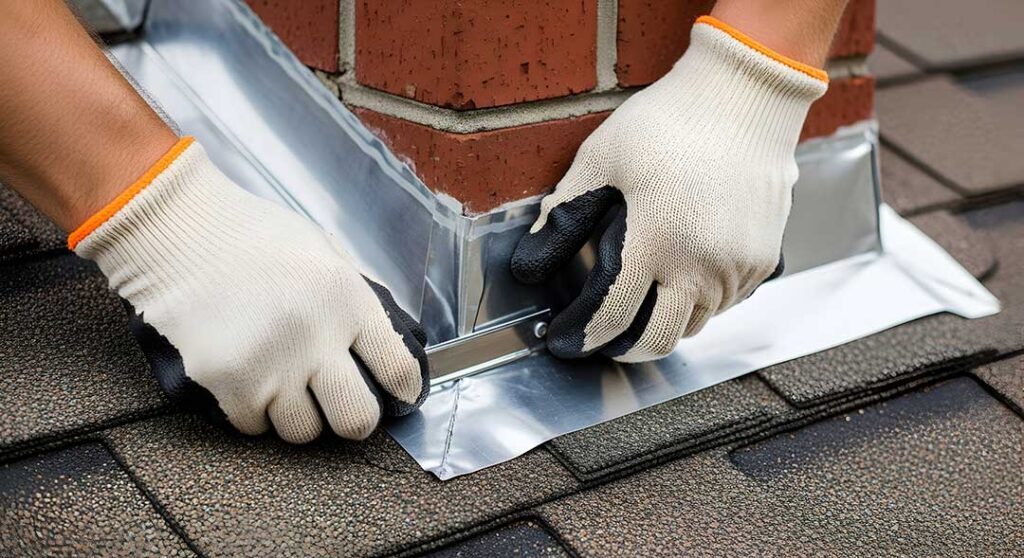
- Ice and water shield: A rubberized membrane that adheres directly to the roof deck. Local building codes in Fulton typically require its use in vulnerable areas like eaves, valleys, and roof penetrations to prevent ice dam leaks.
Residents should consider local weather, housing age, and renovation history before choosing an underlayment.
How Does Underlayment Protect Homes From Water and Ice?
Underlayment helps by serving as a backup layer if shingles become damaged or displaced. If wind, ice, or debris lift shingles or cause fasteners to fail, the underlayment is there to slow or stop water intrusion. In cold climates like Fulton’s, ice and snow can cause ice dams, where water backs up under the shingles. An underlayment, especially ice and water shield, helps keep meltwater from seeping into attics and walls.
Homes with older roofing may have only basic felt, so winter leaks or ceiling stains could signal the need for an updated barrier.
Is Underlayment Required by Local Building Codes?
Yes. Local and statewide codes require some form of underlayment beneath shingle roofs. In Fulton and neighboring upstate communities, ice and water shield is not just recommended—it's required on all new roofs at the eaves and other high-risk areas to meet code and insurance standards. Skipping it can risk failing inspection or voiding a roof warranty.
How Long Does Roof Underlayment Last?
Underlayment isn’t typically designed to last as long as shingles. On average:
- Traditional felt may offer 12–20 years of effective service, less if exposed to moisture or sun during installation.
- Synthetic underlayments generally last longer, often matching or exceeding the lifespan of asphalt shingles (20–30 years).
- Ice and water shield is robust, but can still become brittle after years, especially under harsh freeze-thaw cycles.
Many local homes now use synthetic underlayment for its longevity, but the actual lifespan depends on installation quality and overall roof condition.
How Do Local Weather and Seasonal Changes Affect Roof Underlayment?
Fulton’s climate—with warm summers, wet springs, and snowy winters—places real demands on roof systems.
- Spring rains and windstorms can drive moisture under damaged shingles, making underlayment critical for leak prevention.
- Heavy snow and repeated freeze-thaw cycles encourage ice dam formation. Without adequate underlayment at the eaves, melting snow may leak into attics or behind siding.
- Humidity and temperature changes can cause felt paper to wrinkle or deteriorate, while synthetics usually stay stable.
Regular seasonal inspections, especially after winter or major storms, can help catch underlayment problems before they cause expensive water damage.
Can Underlayment Be Replaced Without Reroofing the Whole House?
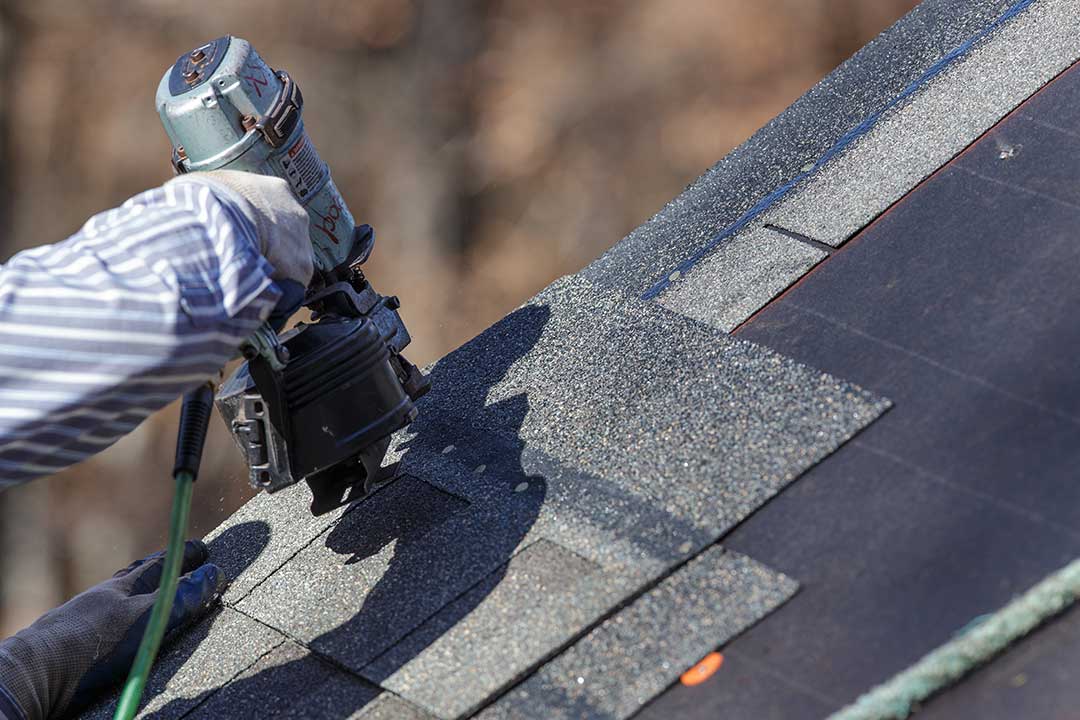
Usually, underlayment is replaced when new shingles are installed. For most homes, this means removing both the old shingles and the underlayment, then installing new layers of each. Spot repairs may be possible if a leak is traced to a small area, but full protection typically requires a full roof replacement.
What Are Common Misconceptions About Roof Underlayment?
- Some believe it’s an optional upgrade, but building codes consider it a basic necessity.
- Underlayment is sometimes thought to be “waterproof.” Most types are water-resistant, not waterproof, unless a full ice and water shield is used.
- A new roof installation does not always mean new ice and water shield on the *entire* roof—only required areas. Residents may want to discuss options for broader coverage in areas prone to heavy snow or wind-driven rain.
Are There Special Considerations for Older or Historic Homes?
Older homes in Fulton may have outdated or even missing underlayment, especially if they haven’t been reroofed in decades. When updating a historic home, it’s wise to request an inspection of the roof deck and underlayment—older decks sometimes require repairs or extra waterproofing to meet modern standards.
What Should Residents Watch For?
Local households should look for signs that underlayment may be compromised:
- Ice dam leaks or water stains on interior ceilings, especially after winter
- Warping, curling, or missing shingles after storms
- Evidence of shingle blow-off, especially after high winds
If noticed, further inspection may be needed to assess the condition of both the shingles and the underlayment.
